H1-B Transfer Secrets: 5 Documentation Mistakes That Trigger USCIS Audits
 By
Editor Team
By
Editor Team
The Best Attorney USA Editorial Team is dedicated to bringing transparency and clarity to the American legal landscape. Composed of legal researchers,...
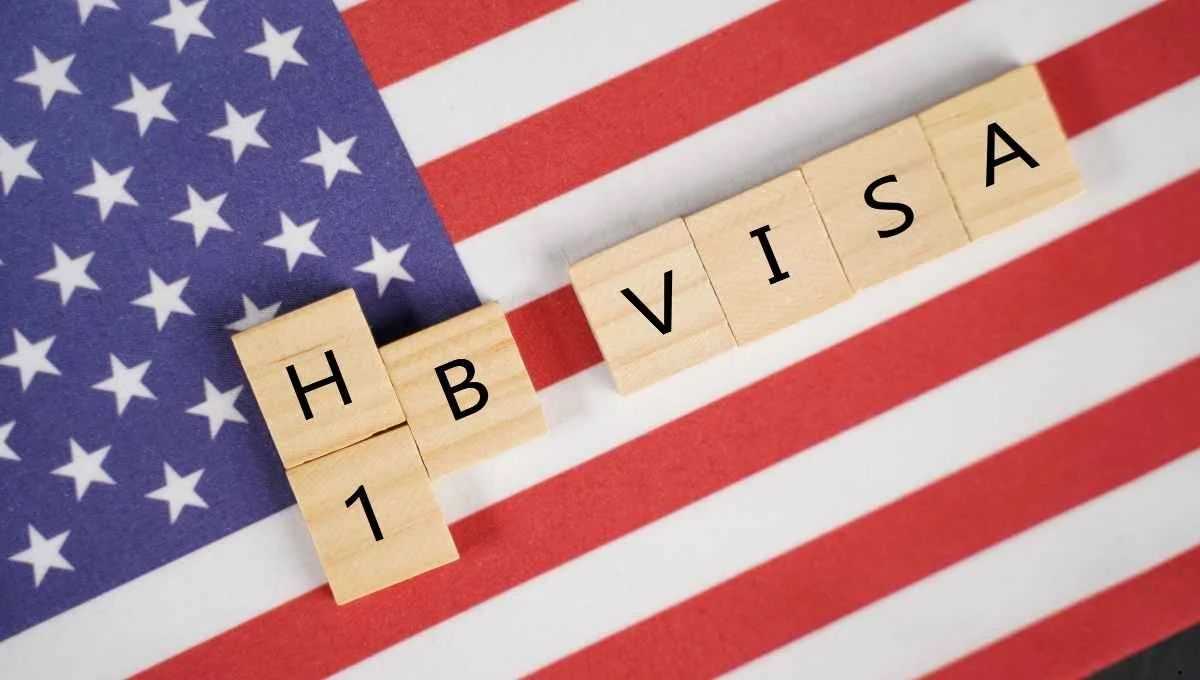
Why RFEs are Spiking in 2026
With the implementation of new "beneficiary-centric" rules and updated fee structures, USCIS is looking deeper into the legitimacy of "Specialty Occupations". The most common triggers for a transfer RFE include:
Specialty Occupation Scrutiny: Doubts about whether the role truly requires a specific bachelor’s degree.
Maintenance of Status: Lack of proof that the employee was working legally up until the transfer date.
Wage Level Contradictions: Offering an entry-level (Level 1) wage for a role described as "complex and specialized".
5 Essential Steps to Avoid an RFE
To ensure your H1-B transfer is "Approval-Ready", follow these critical steps:
1. Detailed Specialty Occupation Proof
Avoid generic job titles. Your petition must clearly link your job duties to your specific academic degree. If you are a Software Developer, your description should detail the technical stack and complex algorithms you use, rather than just "coding".
2. Maintain Your Pay Stubs
USCIS requires proof that you have maintained your status with your current employer. Ensure you have at least the last 2-3 months of pay stubs and your most recent I-94 record ready for submission.
3. New 2026 Fee Awareness
Be careful with the checks! Starting March 1, 2026, the Premium Processing fee increases from $2,805 to $2,965. Submitting the wrong fee amount will result in an immediate rejection or delay of your petition.
4. The Employer-Employee Relationship
If you are working remotely or at a third-party client site, USCIS will scrutinize who actually controls your work. Provide clear employment contracts, supervision plans, and client letters to prove your petitioner is your actual boss.
5. Expert Opinion Letters
For unique roles, an Expert Opinion Letter from a university professor or industry veteran can be a powerful tool. It provides an external validation that your role is indeed a specialty occupation, often stopping an RFE before it starts.
Premium Processing: Is it Worth It?
In 2026, standard processing can still take 8-10 months, while Premium Processing guarantees a response within 15 business days. Given the $2,965 cost, it is a significant investment, but for many, the peace of mind in a job transition is worth the price.
Key Takeaways for H1-B Holders:
Check the SOC Code: Ensure your new employer uses an SOC code that aligns with your degree and experience.
No Gaps: Never stop working for your current employer until the new H1-B transfer petition is officially filed and you have a Receipt Notice.
Consult an Attorney: Legal complexities in 2026 make professional guidance indispensable for successful transfers.
References & Further Reading:
Frequently Asked Questions
Need Legal Assistance?
Our experienced attorneys are ready to help you with your legal matters. Get personalized consultation today.
Get ConsultationRecent Posts
5 Defining Civil Litigation Cases of 2026: How Leaders Must Adapt to AI, Trade
Jun 21, 2026

5 Defining Civil Litigation Cases of 2026: How Leaders Must Adapt to AI, Trade, and Regulatory Shifts
Feb 23, 2026

Top 10 Best Personal Injury Attorneys in Los Angeles, CA (2026)
Feb 22, 2026
The 2026 USA Visa Outlook: Key Changes to H-1B, Green Cards, and Work Authorization
Feb 08, 2026
Divorce in the Digital Age: How to Protect (and Split) Crypto, NFTs, and Digital Businesses
Feb 08, 2026