Divorce in the Digital Age: How to Protect (and Split) Crypto, NFTs, and Digital Businesses
 By
Editor Team
By
Editor Team
The Best Attorney USA Editorial Team is dedicated to bringing transparency and clarity to the American legal landscape. Composed of legal researchers,...
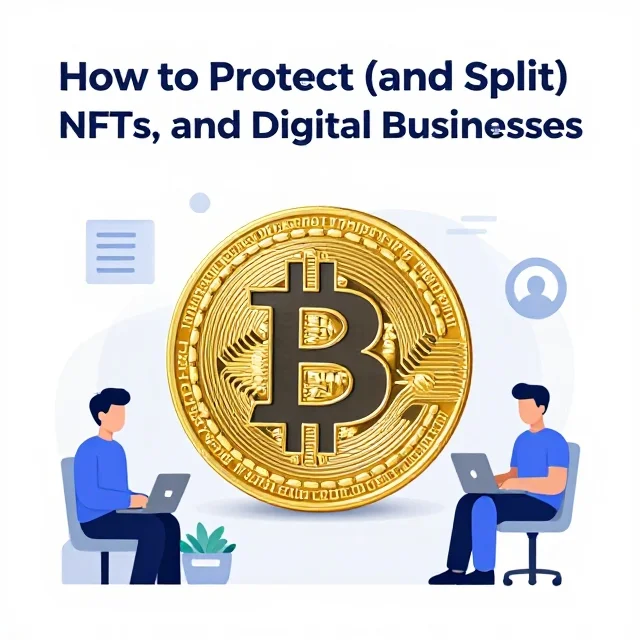
The New "Matrimonial Pot": What Qualifies?
Digital assets are generally treated as property by the courts, meaning they are subject to equitable distribution or community property laws, just like a savings account.
Cryptocurrencies: Not just Bitcoin and Ethereum, but stablecoins, altcoins, and even meme coins.
NFTs (Non-Fungible Tokens): Digital art, collectibles, or virtual real estate in the metaverse.
Digital Businesses: E-commerce storefronts (Amazon, Etsy), monetized YouTube channels, influencer accounts, and SaaS (Software as a Service) platforms.
Tokenized Assets: Real-world assets (like real estate) that have been fractionalized on the blockchain.
The Challenge of Valuation in a Volatile Market
The biggest hurdle for any crypto divorce lawyer is the "valuation date." Because a Bored Ape or 10 BTC can change in value by 20% in a single afternoon, timing is everything.
The Date Matters: Courts may use the date of filing, the date of the trial, or an agreed-upon point in time. A digital asset attorney will often argue for a date that best protects their client’s interest based on market trends.
Appraisal Complexities: While crypto has a ticker price, NFTs and digital businesses do not. Valuing a YouTube channel requires looking at "Future Maintainable Earnings," while an NFT valuation might require a specialist who understands rarity and market demand.
Hidden Assets and Blockchain Forensics
One of the most common reasons to consult a family law directory for a specialized attorney is the fear of "hidden" crypto. Unlike a bank account, a digital wallet doesn't send a monthly statement to your house.
The Myth of Anonymity: While wallets are pseudonymous, the blockchain is a public ledger. Forensic accountants can trace "on-ramps" (transfers from a bank to an exchange like Coinbase) to find hidden wallets.
Full Disclosure is Mandatory: Attempting to hide digital assets is financial misconduct. In 2026, courts are increasingly tech-savvy; if a spouse is caught hiding a seed phrase, the judge may award the other spouse a significantly larger share of the remaining tangible assets as a penalty.
Strategies for Splitting the Digital Pie
Once the assets are found and valued, how do you actually divide them? There are three primary methods:
In-Kind Distribution: The assets are split 50/50 (or another ratio). One spouse sends 5 ETH to the other’s private wallet. This requires both parties to have the technical knowledge to manage their own keys.
The "Offset" Method: One spouse keeps the entire crypto portfolio or the digital business, and the other spouse receives an equivalent value in "copper-bottomed" assets, like the house or cash.
Liquidation: Selling the assets and splitting the cash proceeds. This is often the simplest method but can trigger significant Capital Gains Tax (CGT) liabilities.
Why You Need Specialist Legal Counsel
Navigating a digital-first divorce without a digital asset attorney is like trying to fix a Tesla with a hammer. You need someone who understands:
Tax Implications: Every transfer or sale could be a taxable event.
Security Protocols: Ensuring private keys are transferred safely without the risk of "accidental" loss.
Interstate/International Law: Digital assets often cross borders, complicating jurisdiction.
If your marriage is ending and your portfolio is digital, don't leave your future to chance. Use a reputable family law directory to find a professional who speaks the language of the blockchain.
Frequently Asked Questions
Need Legal Assistance?
Our experienced attorneys are ready to help you with your legal matters. Get personalized consultation today.
Get ConsultationRecent Posts
5 Defining Civil Litigation Cases of 2026: How Leaders Must Adapt to AI, Trade
Jun 21, 2026
5 Defining Civil Litigation Cases of 2026: How Leaders Must Adapt to AI, Trade, and Regulatory Shifts
Feb 23, 2026

Top 10 Best Personal Injury Attorneys in Los Angeles, CA (2026)
Feb 22, 2026
The 2026 USA Visa Outlook: Key Changes to H-1B, Green Cards, and Work Authorization
Feb 08, 2026

Don’t Settle Yet: Why 2026 Insurance Claim Adjustments Mean You Might Be Owed More for Your Car Accident
Feb 08, 2026