The 2026 USA Visa Outlook: Key Changes to H-1B, Green Cards, and Work Authorization
 By
Editor Team
By
Editor Team
The Best Attorney USA Editorial Team is dedicated to bringing transparency and clarity to the American legal landscape. Composed of legal researchers,...
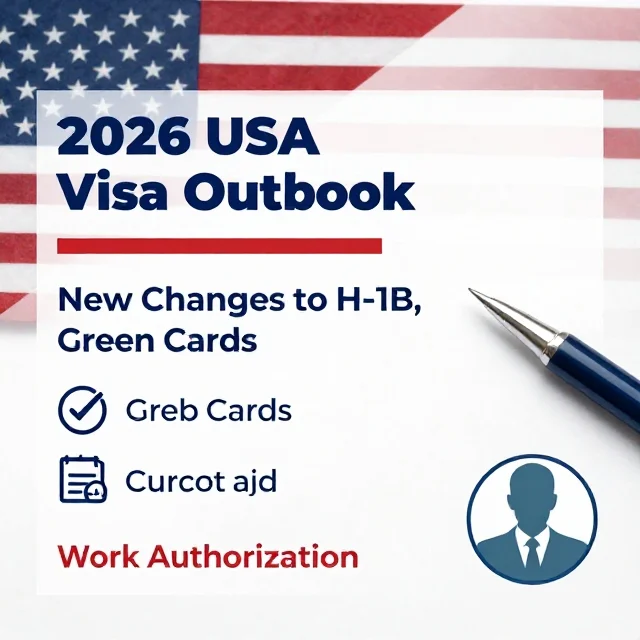
The United States immigration system is in a constant state of evolution, shaped by economic shifts, technological advancements, and legislative priorities. As we look ahead to 2026, prospective immigrants, employers, and current visa holders must be prepared for potential changes that could significantly impact their pathways to living and working in the USA. Understanding these shifts is crucial for strategic planning and successful application.
This comprehensive guide delves into the anticipated 2026 USA visa outlook, focusing on key areas: the H-1B specialty occupation visa, various green card categories, and work authorization processes. While specific legislative actions for 2026 are still developing, we can identify trends and likely areas of focus for policymakers and immigration agencies. Staying informed and seeking expert guidance is paramount in this dynamic environment.
Navigating the Evolving H-1B Visa Program: What to Expect in 2026
The H-1B visa program, designed for foreign workers in specialty occupations, remains one of the most sought-after non-immigrant visas in the USA. With an annual cap of 85,000 (65,000 regular cap + 20,000 for master’s degree holders), demand consistently far outstrips supply, leading to highly competitive annual lotteries. As we approach 2026, several key areas could see significant changes or continued focus:
Potential Adjustments to the H-1B Lottery System
- Beneficiary-Centric Lottery: Following recent changes aimed at reducing fraud, USCIS moved to a beneficiary-centric lottery for the FY2025 cap season. This change, which registers each unique beneficiary only once regardless of multiple employer registrations, is expected to continue and potentially be refined in 2026. The goal is to ensure fairness and prevent abuse, making it critical for applicants to understand these new rules.
- Increased Scrutiny: Expect continued emphasis on preventing fraud and ensuring that H-1B petitions truly meet specialty occupation requirements. This could involve more Requests for Evidence (RFEs) and site visits, particularly for smaller companies or those with a high proportion of H-1B workers.
- Wage Level Focus: There's an ongoing discussion about prioritizing H-1B petitions based on wage levels, potentially favoring higher-paid positions. While no definitive change has been implemented, this remains a legislative possibility that could impact the lottery's outcome in future years.
H-1B Cap and Legislative Efforts
The statutory H-1B cap has remained unchanged for decades despite significant economic growth and increased demand for skilled workers. While legislative efforts to increase the cap are perennially discussed, their success often hinges on broader immigration reform debates. For 2026, applicants should prepare for the likelihood of the cap remaining constant, reinforcing the need for meticulous and timely preparation.
Practical Tips for H-1B Applicants and Employers in 2026:
- Start Early: Begin preparing well in advance of the annual registration period. This includes gathering all necessary documentation and securing a sponsoring employer.
- Verify Eligibility: Ensure both the employee and the position meet the strict H-1B eligibility criteria. The job must qualify as a specialty occupation, requiring a bachelor's degree or higher in a specific field.
- Seek Expert Counsel: Given the program's complexity and the high stakes involved, consulting an experienced H-1B visa lawyer 2026 is invaluable. They can help navigate the registration process, prepare a robust petition, and respond effectively to any RFEs.
- Stay Informed: Regularly check official USCIS announcements for any procedural changes or updates to the H-1B program.
Green Card Pathways in 2026: Navigating Backlogs and New Possibilities
For many, a green card represents the ultimate goal of permanent residency in the USA. However, the path to a green card can be complex, especially due to per-country limits and extensive backlogs in certain categories. In 2026, applicants will continue to grapple with these challenges, but there may also be administrative or legislative efforts to streamline the process.
Addressing Visa Backlogs and Per-Country Limits
The primary hurdle for many green card applicants, particularly those from high-demand countries like India and China, is the per-country limit, which caps the number of green cards issued to citizens of any single country at 7% of the total available visas. This results in decades-long waits for some employment-based categories (EB-2 and EB-3).
- "Recapture" Legislation: There's ongoing advocacy for legislation to "recapture" unused green card numbers from previous years. If passed, such a measure could significantly alleviate backlogs, particularly for employment-based categories. While the outcome is uncertain, it remains a key area to watch for 2026.
- Administrative Processing Improvements: USCIS continues to invest in technology and staffing to reduce processing times for Adjustment of Status (I-485) applications. Expect continued efforts to digitize applications and improve efficiency.
Key Green Card Categories to Monitor
- Employment-Based (EB) Green Cards:
- EB-1 (Extraordinary Ability, Outstanding Researchers, Multinational Managers): This category generally has shorter wait times, but requires a high bar of proven achievement.
- EB-2 (Advanced Degree or Exceptional Ability): Often sees significant backlogs, particularly for Indian and Chinese nationals. Continued focus on National Interest Waivers (NIW) could be a viable option for some.
- EB-3 (Skilled Workers, Professionals, Other Workers): Also heavily backlogged for certain countries.
Recent Posts
5 Defining Civil Litigation Cases of 2026: How Leaders Must Adapt to AI, Trade
Jun 21, 2026
5 Defining Civil Litigation Cases of 2026: How Leaders Must Adapt to AI, Trade, and Regulatory Shifts
Feb 23, 2026

Top 10 Best Personal Injury Attorneys in Los Angeles, CA (2026)
Feb 22, 2026

Divorce in the Digital Age: How to Protect (and Split) Crypto, NFTs, and Digital Businesses
Feb 08, 2026

Don’t Settle Yet: Why 2026 Insurance Claim Adjustments Mean You Might Be Owed More for Your Car Accident
Feb 08, 2026