Google vs. The DOJ: How the 2026 Legal Battle Will Change Your Internet Experience
 By
Editor Team
By
Editor Team
The Best Attorney USA Editorial Team is dedicated to bringing transparency and clarity to the American legal landscape. Composed of legal researchers,...
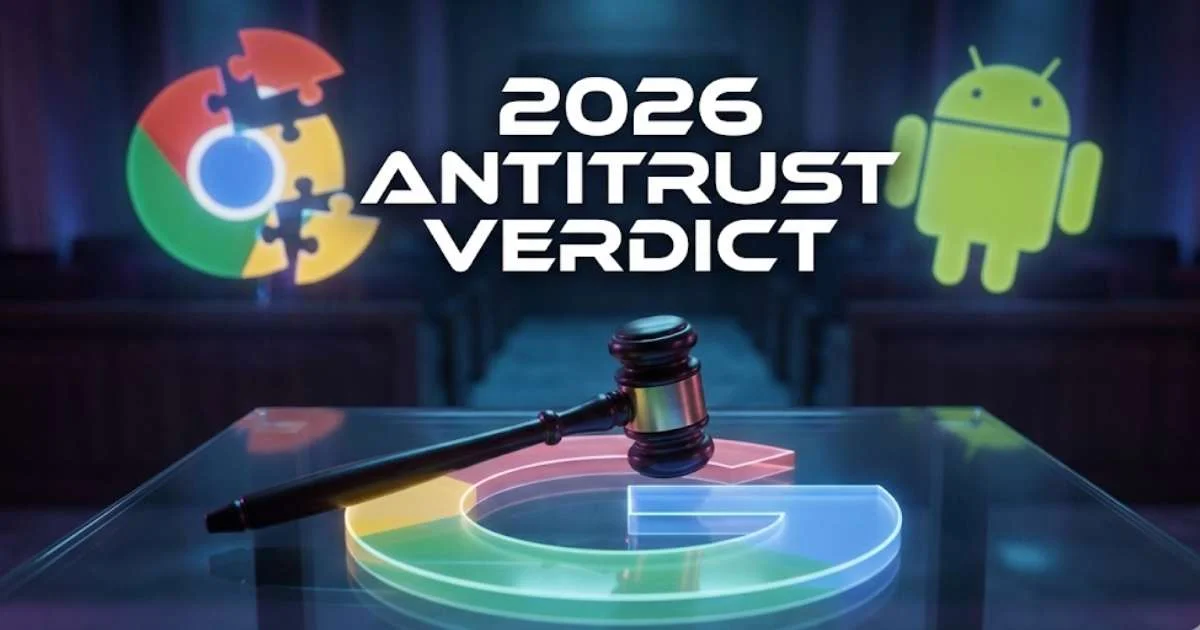
The long-awaited legal showdown between the U.S. Department of Justice (DOJ) and Google has reached a fever pitch in early 2026. This isn't just a battle between lawyers and tech giants; it is a case that could fundamentally change how you search for information, shop online, and manage your digital privacy. If the court decides to "break up" Google, the internet as we know it will never be the same.
What is the Google Antitrust Case About?
The core of the case lies in Search Dominance. The DOJ argues that Google has maintained an illegal monopoly by paying billions of dollars to companies like Apple and Samsung to be the "default search engine" on millions of devices.
Key Allegations in 2026:
Exclusive Contracts: Preventing competitors like DuckDuckGo or Bing from gaining a foothold.
AdTech Monopoly: Controlling both the tools that buy ads and the tools that sell them, leading to higher prices for businesses.
Data Moats: Using massive amounts of user data to create an unmatchable advantage in AI and search results.
How This Affects You (The Consumer)
You might think, "Google is free, so why does this matter?" Here is how the 2026 ruling impacts you:
1. More Choices for Search
If the court bans default search engine payments, you might see a "Choice Screen" on your new iPhone or Android. You could choose a search engine that prioritizes privacy or one that uses a different AI model than Gemini.
2. Potential Changes to "Free" Services
Google funds services like Gmail and Maps through its search monopoly. A breakup could lead to changes in how these services are monetized, potentially introducing subscription models or more diverse advertising.
3. Better Data Privacy
Competitors might offer search experiences that don't track your every move. If Google’s "data moat" is broken, smaller, privacy-focused companies will have a fairer chance to innovate.
Impact on Businesses and Advertisers
If you run a business or manage SEO for a website (like an attorney directory), this case is critical:
Lower Ad Costs: If the AdTech market becomes more competitive, the cost of Google Ads might decrease as other platforms gain power.
SEO Shakeup: Changes to Google's algorithm or the rise of new search engines mean you need to diversify your traffic sources immediately.
What’s Next in 2026?
The court is currently considering "remedies." These could range from a simple fine (unlikely to change anything) to a "Structural Separation"—which could mean Google has to sell off Chrome or the Android operating system.
Key Takeaways:
Historic Milestone: This is the most significant antitrust case since the Microsoft trial in the 1990s.
Innovation vs. Dominance: The ruling will set the rules for the AI-driven internet of the future.
Consult an Expert
These experienced attorneys can help you with matters related to this topic.
Frequently Asked Questions
Need Legal Assistance?
Our experienced attorneys are ready to help you with your legal matters. Get personalized consultation today.
Get ConsultationRecent Posts
5 Defining Civil Litigation Cases of 2026: How Leaders Must Adapt to AI, Trade
Jun 21, 2026
5 Defining Civil Litigation Cases of 2026: How Leaders Must Adapt to AI, Trade, and Regulatory Shifts
Feb 23, 2026

Top 10 Best Personal Injury Attorneys in Los Angeles, CA (2026)
Feb 22, 2026

The 2026 USA Visa Outlook: Key Changes to H-1B, Green Cards, and Work Authorization
Feb 08, 2026

Divorce in the Digital Age: How to Protect (and Split) Crypto, NFTs, and Digital Businesses
Feb 08, 2026