Creditors' Rights Attorney in North Carolina: How Businesses Can Recover Debt Legally
 By
Editor Team
By
Editor Team
The Best Attorney USA Editorial Team is dedicated to bringing transparency and clarity to the American legal landscape. Composed of legal researchers,...
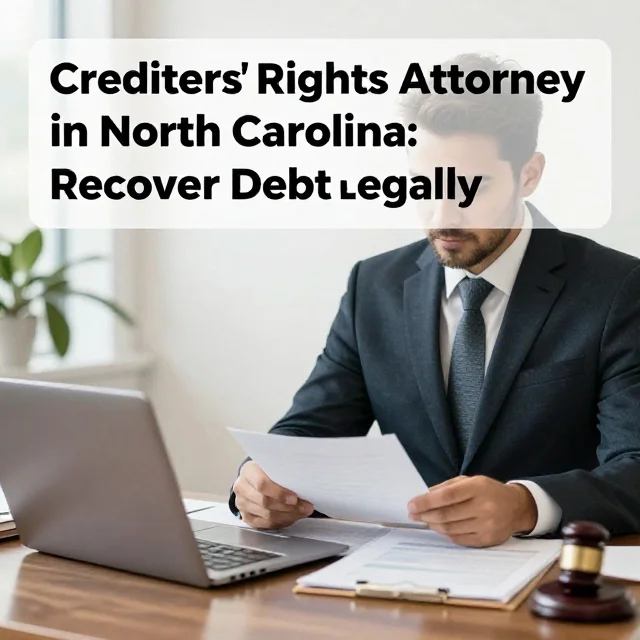
For any business, success hinges on a healthy cash flow. When customers or other businesses fail to pay their debts, it can create significant financial strain, impacting everything from operations to expansion plans. While pursuing unpaid debts can be a frustrating and time-consuming endeavor, businesses in North Carolina have powerful legal avenues available to them. Understanding these rights and knowing when to engage a qualified creditors rights attorney in North Carolina is crucial for ensuring you can recover debt legally and protect your bottom line.
This comprehensive guide will walk you through the landscape of creditors' rights in North Carolina, outlining the legal strategies available for debt recovery and highlighting the invaluable role a specialized Rights Attorney plays in this process. We'll explore practical steps your business can take and explain how legal professionals can navigate the complexities of the North Carolina legal system on your behalf.
Understanding Creditors' Rights in North Carolina
Creditors' rights refer to the legal entitlements that a lender or creditor holds against a debtor who owes them money. These rights empower creditors to take specific actions to collect the outstanding debt. In North Carolina, these rights are governed by a combination of state and federal laws, which dictate the permissible methods of collection, the timeframe for pursuing legal action, and the remedies available.
Unlike consumer debt collection, which is heavily regulated by acts like the Fair Debt Collection Practices Act (FDCPA), commercial debt collection often operates under different rules, though ethical considerations remain paramount. Businesses primarily deal with contractual agreements, invoices, promissory notes, and other commercial instruments. When these agreements are breached through non-payment, the creditor has a right to seek redress.
Key Legal Considerations for NC Businesses:
- Statute of Limitations: North Carolina law sets specific time limits within which a creditor must file a lawsuit to recover debt legally. For most contract-based debts, this period is three years from the date the debt became due. Missing this deadline can permanently bar you from recovering the debt through legal action.
- Types of Debt: Creditors' rights apply to various forms of commercial debt, including unpaid invoices for goods or services, breach of contract claims, defaulted loans, and judgments from other states that need to be enforced in North Carolina.
- Secured vs. Unsecured Debt: Understanding whether your debt is secured (backed by collateral, like a mortgage or UCC filing) or unsecured (e.g., an open invoice) significantly impacts your recovery options. Secured creditors generally have stronger rights to seize and sell collateral to satisfy the debt.
Navigating these nuances requires a deep understanding of North Carolina's commercial laws, which is precisely where a dedicated creditors rights attorney in North Carolina proves indispensable.
Common Legal Avenues for Debt Recovery in North Carolina
When a customer or client defaults on their payment obligations, businesses have several legal strategies at their disposal to recover debt legally. These methods range from informal demands to formal litigation and judgment enforcement.
1. Demand Letters and Negotiation
Often, the first formal step in debt recovery is sending a professional, legally-sound demand letter. This letter outlines the debt, the amount owed, the due date, and a clear demand for payment within a specified timeframe. It also serves as formal notice that legal action may follow if the debt remains unpaid. An attorney can draft a demand letter that carries more weight and clearly articulates your legal position, often prompting debtors to take the claim seriously.
Following the demand letter, negotiation for a settlement or payment plan can occur. A skilled Rights Attorney can represent your interests in these negotiations, aiming for an amicable resolution that avoids costly litigation while still securing a favorable outcome for your business.
2. Litigation and Obtaining a Judgment
If negotiation fails, the next step is often to file a lawsuit in North Carolina civil court. This involves:
- Filing a Complaint: Officially initiating the lawsuit by detailing the facts of the debt and the legal basis for your claim.
- Service of Process: Legally notifying the debtor of the lawsuit.
- Discovery: Both parties exchange information and evidence relevant to the case.
- Trial: If the case doesn't settle, it proceeds to trial where a judge or jury hears the evidence and makes a ruling.
If successful, the court will issue a judgment in your favor, legally confirming that the debtor owes your business the specified amount. This judgment is a powerful legal tool, but it's just the first step in actual recovery.
3. Post-Judgment Enforcement
Obtaining a judgment doesn't automatically mean money in your bank account. The debtor may still refuse to pay. This is where post-judgment enforcement comes into play, and it's an area where an experienced creditors rights attorney in North Carolina provides critical expertise to recover debt legally.
- Abstract of Judgment/Judgment Liens: You can file an abstract of judgment with the Clerk of Superior Court in any county where the debtor owns real property. This creates a lien on their real estate, preventing them from selling or refinancing it without satisfying your judgment.
- Garnishment: In North Carolina, wage garnishment for commercial debts is generally not permitted without a specific court order for certain types of debts. However, bank account garnishment (also known as a levy or attachment) is a common enforcement tool where funds can be seized from the debtor's bank accounts.
- Execution on Personal Property: A sheriff can be directed to seize and sell the debtor's non-exempt personal property (e.g., equipment, vehicles) to satisfy the judgment.
- Debtor's Examinations: A court can order the debtor to appear and provide information about their assets and income under oath, helping identify sources for collection.
4. Dealing with Debtor Bankruptcy
Should your debtor file for bankruptcy, the collection process changes dramatically. An "automatic stay" immediately goes into effect, halting most collection actions. In such cases, your Rights Attorney will help you understand your position as a creditor in the bankruptcy proceedings, file a proof of claim, and represent your interests to maximize your recovery, which can be limited depending on the type of bankruptcy and the debtor's assets.
The Indispensable Role of a Creditors' Rights Attorney
Attempting to navigate the complexities of debt recovery on your own can be daunting, time-consuming, and ultimately less effective. A specialized creditors rights attorney in North Carolina brings a wealth of knowledge and strategic advantage to the table, significantly increasing your chances to recover debt legally.
Expertise in North Carolina Law:
An attorney deeply familiar with North Carolina's specific statutes, court procedures, and precedents regarding debt collection and enforcement is invaluable. They understand the nuances of the state's commercial code, property laws, and civil procedure, ensuring all actions are legally sound and effective.
Strategic Planning and Execution:
A good attorney doesn't just react; they strategize. They will assess the debtor's financial situation, identify potential assets, evaluate the strength of your claim, and recommend the most cost-effective and efficient path to recovery. This might involve aggressive litigation, strategic negotiation, or a combination of enforcement tactics.
Effective Negotiation and Representation:
Attorneys are skilled negotiators. They can communicate with debtors, their attorneys, or bankruptcy trustees from a position of legal strength, often achieving better settlements than a business might on its own. If litigation is necessary, they will represent your interests vigorously in court, preparing all necessary filings, presenting evidence, and arguing your case.
Efficient Judgment Enforcement:
Obtaining a judgment is only half the battle. Enforcing it requires a deep understanding of North Carolina's execution and garnishment laws. An attorney knows how to identify assets, navigate the legal requirements for liens and levies, and coordinate with sheriffs and other officials to seize assets or funds effectively.
Protection Against Counterclaims:
Sometimes, debtors may raise counterclaims or assert defenses to avoid payment. A creditors rights attorney in North Carolina can anticipate these challenges, prepare robust defenses, and protect your business from spurious claims that could further complicate the recovery process.
Practical Tips for Businesses Facing Unpaid Debts
While legal action is a powerful tool, prevention and proactive measures can significantly reduce the incidence of unpaid debts and streamline the recovery process if they do occur. Here are some actionable tips for your business:
- Strong, Clear Contracts: Always use written contracts that clearly define payment terms, due dates, late fees, and remedies for non-payment. Ambiguity can hinder your ability to recover debt legally.
- Th
Recent Posts
5 Defining Civil Litigation Cases of 2026: How Leaders Must Adapt to AI, Trade
Jun 21, 2026
5 Defining Civil Litigation Cases of 2026: How Leaders Must Adapt to AI, Trade, and Regulatory Shifts
Feb 23, 2026

Top 10 Best Personal Injury Attorneys in Los Angeles, CA (2026)
Feb 22, 2026
The 2026 USA Visa Outlook: Key Changes to H-1B, Green Cards, and Work Authorization
Feb 08, 2026
Divorce in the Digital Age: How to Protect (and Split) Crypto, NFTs, and Digital Businesses
Feb 08, 2026